

led vanity mirror bathroom
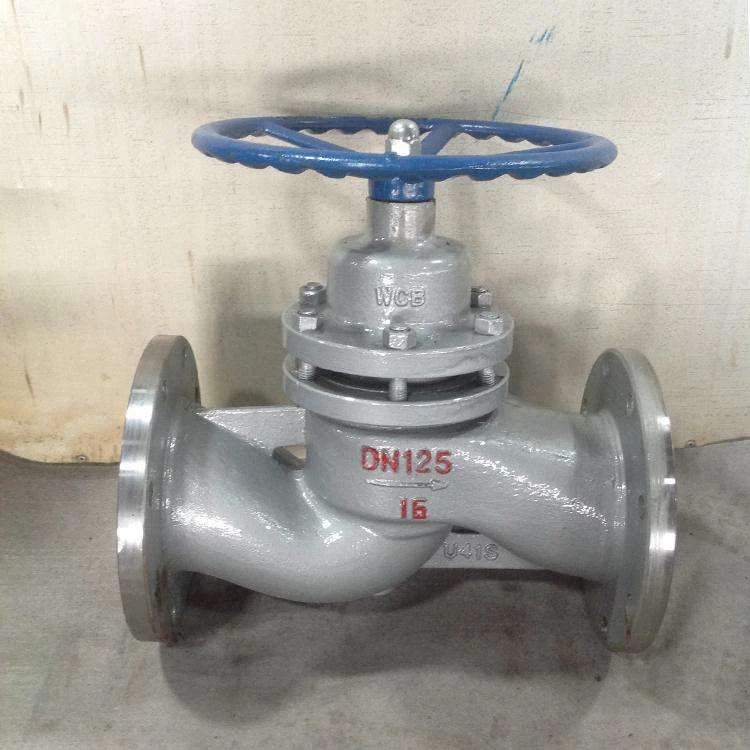
Introduction The Slow Closing Check Valve from Storaen (Cangzhou) International Trading Co. represents a significant advancement in hydraulic system control. Designed to mitigate the effects of water hammer and ensure smooth operation, this valve is engineered to enhance efficiency and durability in industrial applications. This article explores the product's features, advantages, technical specifications, and application scenarios, alongside insights into the company's expertise. Key Features of the Slow Closing Check Valve The Slow Closing Check Valve is distinguished by its innovative design and performance capabilities. Key features include: Novel Structure: The valve's design minimizes turbulence and resistance, ensuring a smooth flow of fluids. This structure also contributes to its long service life, reducing the need for frequent maintenance. Superior Sealing: Advanced sealing mechanisms prevent leaks, even under high-pressure conditions. This is critical in applications where fluid integrity is paramount. Adjustable Operation: The valve allows users to control the speed of opening or closing, enabling customization to suit specific site requirements. This adaptability ensures optimal performance in diverse environments. Water Hammer Mitigation: By slowing the closure process, the valve effectively reduces the impact of water hammer, a common issue in hydraulic systems that can cause damage and inefficiency. High Flow Capacity: Despite its compact size, the valve supports large flow rates, making it suitable for high-demand applications. Advantages Over Traditional Check Valves Compared to conventional check valves, the Slow Closing Check Valve offers several distinct advantages: Enhanced Safety: The slow-closing mechanism reduces the risk of sudden pressure surges, protecting both the system and surrounding infrastructure. Energy Efficiency: By minimizing resistance and optimizing flow, the valve contributes to lower energy consumption in hydraulic systems. Cost-Effectiveness: The valve's durability and reduced maintenance requirements lower long-term operational costs. Versatility: Its adjustable settings make it suitable for a wide range of applications, from industrial pipelines to municipal water systems. Environmental Benefits: The valve's design helps prevent fluid leaks, reducing environmental impact and ensuring compliance with regulatory standards. Technical Specifications Parameter Details Model 300X Slow-Closing Muffler Check Valve Flow Capacity Up to 1500 L/min (varies by size) Pressure Rating 10-16 bar (adjustable) Sealing Material EPDM or PTFE (customizable) Valve Body Material Stainless Steel or Cast Iron Operating Temperature Range -10°C to 80°C Adjustment Mechanism Manual or Automatic (depending on model) Application Scenarios The Slow Closing Check Valve is ideal for applications requiring precise control of fluid flow. Common use cases include: Industrial Pipelines: Ensures smooth operation in manufacturing plants where fluid flow must be regulated to prevent system damage. Municipal Water Systems: Reduces water hammer in water distribution networks, extending the lifespan of pipes and pumps. HVAC Systems: Optimizes coolant flow in heating, ventilation, and air conditioning systems, improving energy efficiency. Oil and Gas Industry: Provides reliable control in pipelines transporting crude oil or refined products, minimizing leaks and downtime. Wastewater Treatment: Enhances the efficiency of wastewater processing by managing flow rates and preventing backflow. About Storaen (Cangzhou) International Trading Co. Storaen (Cangzhou) International Trading Co. is a leading provider of industrial components and solutions, specializing in hydraulic and pneumatic systems. With a focus on innovation and quality, the company has established itself as a trusted partner for businesses worldwide. Their commitment to research and development ensures that products like the Slow Closing Check Valve meet the highest standards of performance and reliability. Storaen's expertise is complemented by its adherence to international quality certifications, including ISO 9001, which underscores its dedication to excellence. The company's global network of distributors and technical support teams ensures that customers receive timely assistance and solutions tailored to their needs. Industry Standards and Authoritative Citations The design and functionality of the Slow Closing Check Valve align with industry standards for hydraulic system efficiency and safety. According to the National Institute of Standards and Technology (NIST) , "precise control of fluid flow is critical in industrial systems to prevent failures and ensure operational continuity" ( NIST, 2023 ). This principle is reflected in the valve's ability to mitigate water hammer and maintain stable pressure levels. Additionally, NIST emphasizes the importance of "robust sealing mechanisms in hydraulic components to prevent leaks and ensure environmental compliance" ( NIST, 2023 ). The Slow Closing Check Valve 's advanced sealing technology directly addresses this requirement, making it a reliable choice for industries with stringent safety standards. Conclusion The Slow Closing Check Valve from Storaen (Cangzhou) International Trading Co. is a testament to the company's commitment to innovation and quality. With its advanced design, adjustable operation, and robust performance, this valve offers a comprehensive solution for hydraulic system optimization. Whether in industrial, municipal, or commercial applications, the valve's ability to reduce water hammer and enhance efficiency makes it an invaluable asset. For more information about the Slow Closing Check Valve or to explore other products from Storaen (Cangzhou) International Trading Co. , visit their official website. References National Institute of Standards and Technology (NIST) . (2023). Standards for Hydraulic System Efficiency and Safety . Retrieved from https://www.nist.gov .
about
led vanity mirror bathroom
Understanding Ball Valve Types Ball valves are a crucial component in various industrial and residential applications, offering reliability and efficiency in controlling the flow of fluids. Their design features a spherical closure element (the ball) that rotates within the valve body to either allow or block the flow. Depending on the application, different types of ball valves are used, each with unique characteristics. In this article, we will explore the main types of ball valves, their applications, and the advantages they offer. 1. Floating Ball Valve The floating ball valve is one of the most common types used in various applications. In this design, the ball is not fixed; instead, it floats between the seats. The pressure of the fluid helps push the ball against the downstream seat, allowing for a tight seal in one direction. Floating ball valves are typically used for low-pressure applications and are favored for their simplicity and ease of maintenance. They are available in both full port and reduced port designs, with full port design allowing for minimal pressure loss. 2. Trunnion Ball Valve Unlike the floating ball valve, the trunnion ball valve features a fixed ball held in place by supports (trunnions) at the top and bottom. This design provides greater stability, reduces wear, and ensures a better sealing performance under high-pressure conditions. Trunnion ball valves are ideal for high-pressure applications and are often used in the oil and gas industry, as well as in water treatment facilities. Their ability to handle larger flow rates makes them suitable for large-scale operations. 3. V-Port Ball Valve ball valves types The V-port ball valve incorporates a V-shaped notch in the ball, allowing for precise flow control and throttling capabilities. This design provides superior flow regulation compared to standard ball valves, making it an excellent choice for applications requiring fine adjustments in flow rates. V-port ball valves are commonly used in chemical processing, HVAC systems, and irrigation systems, where precise control is essential. 4. Multi-Port Ball Valve Multi-port ball valves, such as three-way or four-way valves, allow for the distribution of flow into multiple directions. These valves are pivotal in applications where flow diversion, mixing, or balancing is required. For example, in a three-way valve, one inlet can split the flow into two outlets, or vice versa. Multi-port ball valves are widely used in plumbing systems, heating systems, and various industrial processes where flexibility in flow management is necessary. 5. Electric and Pneumatic Ball Valves While traditional ball valves are operated manually, electric and pneumatic ball valves enhance automation in flow control systems. Electric ball valves use electric motors for operation, providing precise control and remote operation capabilities. Pneumatic ball valves, on the other hand, use compressed air to actuate the valve. Both types facilitate faster response times and can significantly reduce the need for manual intervention in complex systems, improving efficiency and safety. Conclusion Ball valves are integral to flow control in many industries, thanks to their versatility and robustness. By understanding the different types of ball valves available, engineers and operators can make informed decisions that cater to specific application needs. Whether choosing a floating, trunnion, V-port, multi-port, or automated ball valve, the right choice ensures sustained efficiency and performance in fluid management systems.
-

High quality industrial productsagement

High quality industrial products
View Details -

Meet the diverse needs of customers

Meet the diverse needs of customers
View Details -

Strict quality control

Strict quality control
View Details -

Top raw materials

Top raw materials
View Details -

Trusted supplier

Trusted supplier
View Details
Our application

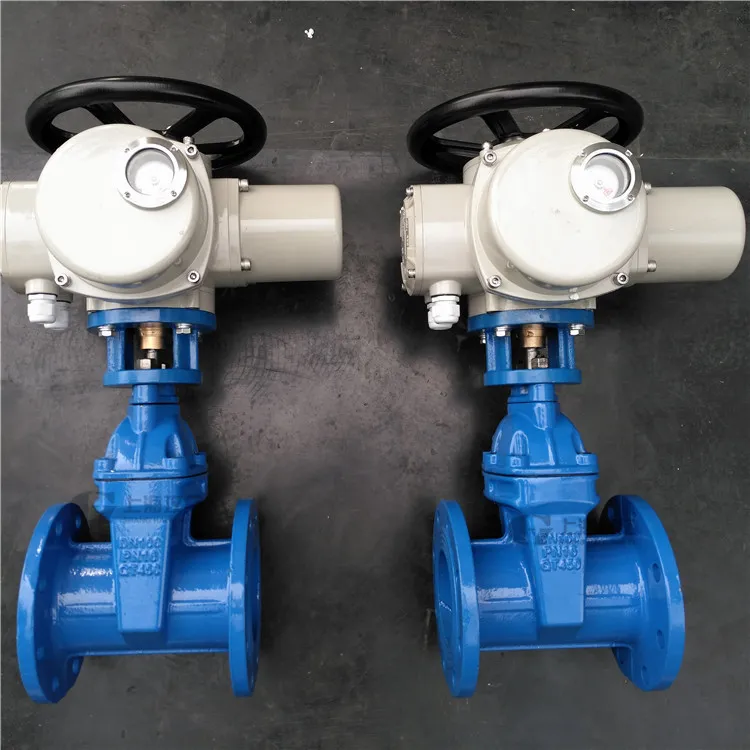
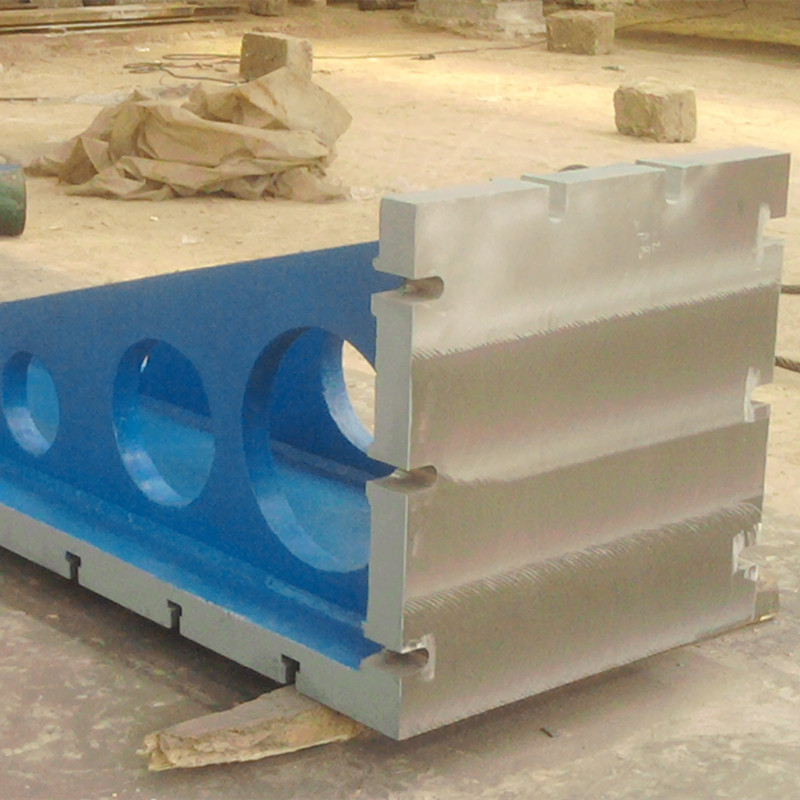
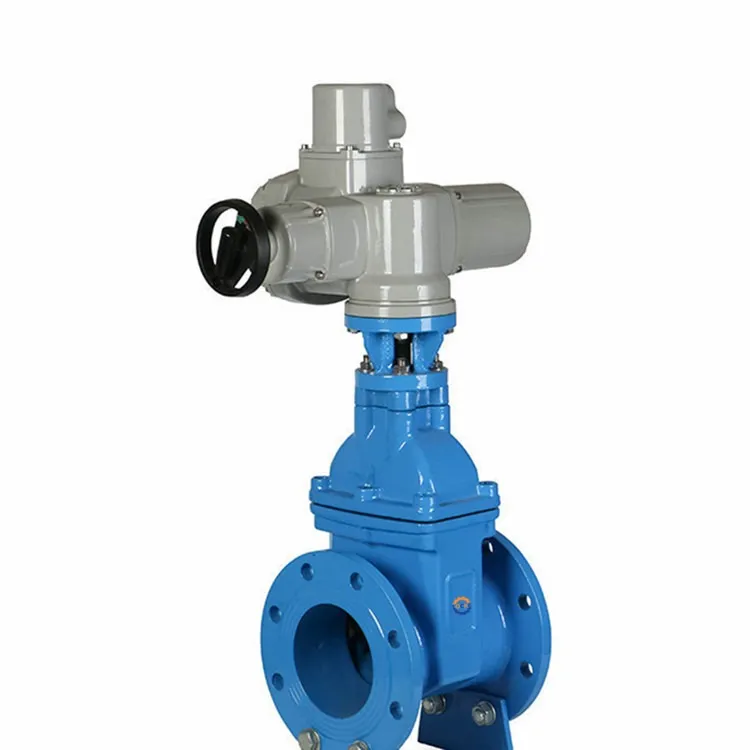
news and information
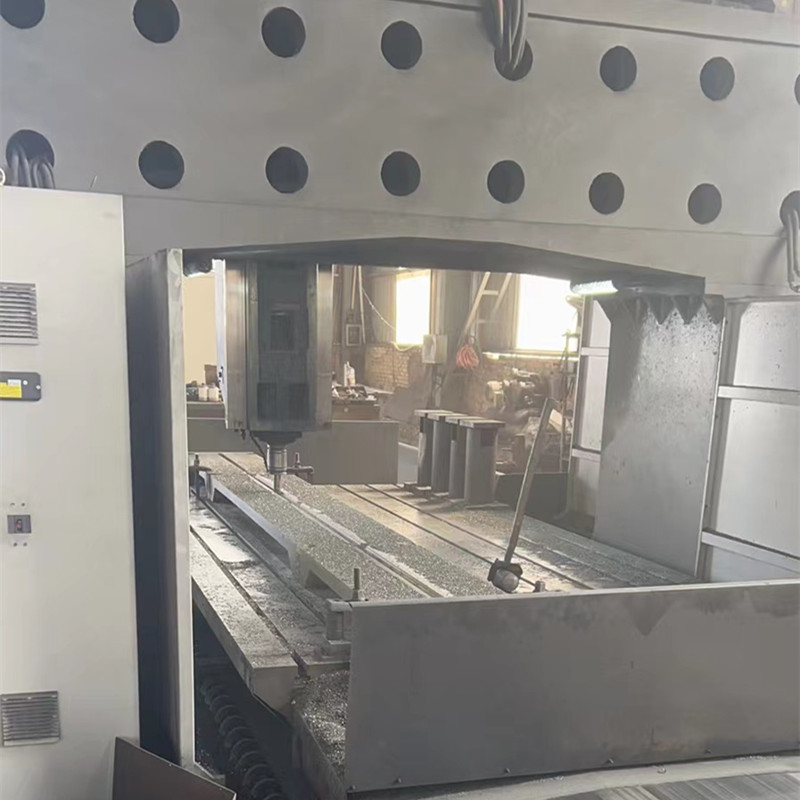
water turn off valve
Understanding Water Turn Off Valves Their Importance and Usage When it comes to plumbing systems, on
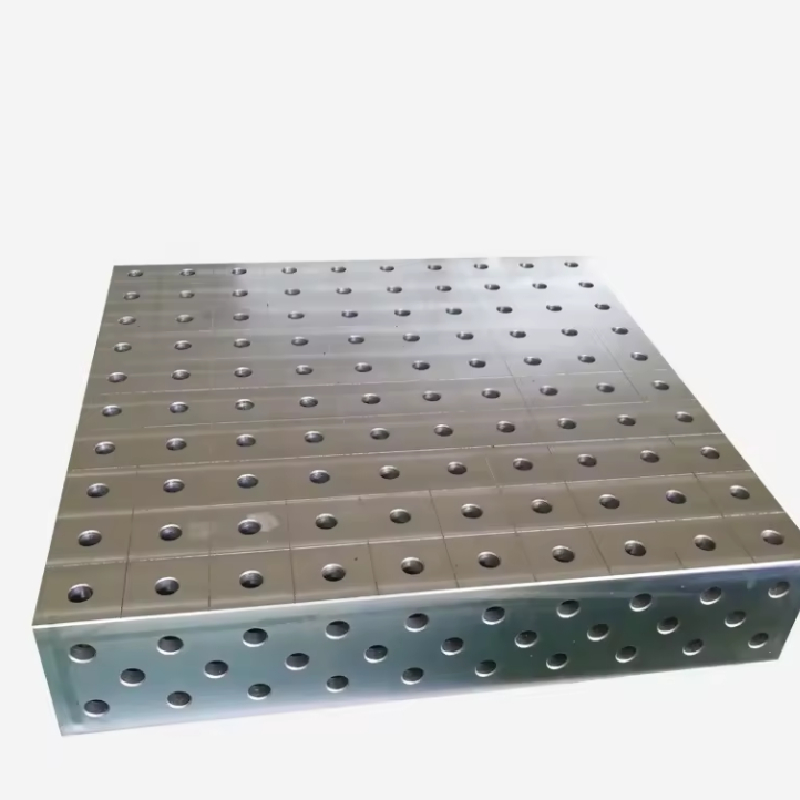
Using a Level for Accurate Measurements with a Marking Ruler
Using a Marking Ruler with Spirit Level A Guide to Precision in Projects When it comes to achieving
Válvula de compuerta de 500 mm para aplicaciones industriales y sistemas de tuberías
Válvula de compuerta de 500 mm Importancia y Aplicaciones La válvula de compuerta es un dispositivo
 English